Art Authenticity: Spotting Original Works vs AI Creations
The rise of artificial intelligence has transformed many fields, and art is no exception. AI-generated images can mimic styles, create stunning visuals, and even produce works that look like they came from a human artist.
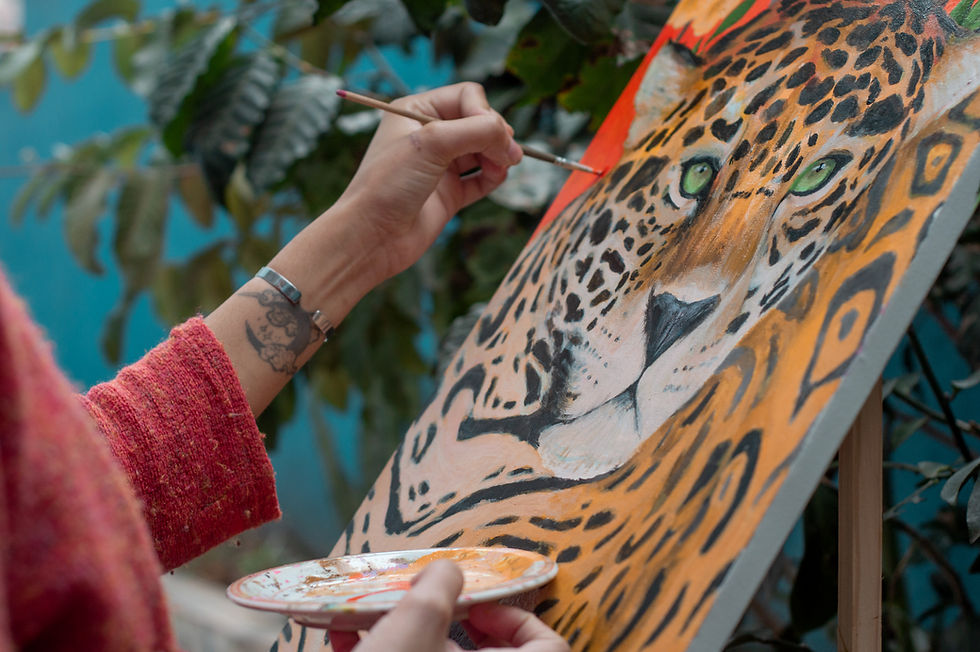
This blurs the line between original art and AI creations, making it harder for collectors, enthusiasts, and casual viewers to tell the difference.
Understanding how to spot original works versus AI-generated images is essential for appreciating art’s value, authenticity, and creative process.
This post explores practical ways to distinguish original art from AI-generated images. We will cover visual clues, technical aspects, and contextual hints that help decode authenticity.
Whether you are buying art, curating a collection, or simply curious, these insights will sharpen your eye and deepen your appreciation!!
How AI Generates Art
Before diving into how to spot AI art, it helps to understand how AI creates images. Most AI art is produced using machine learning models trained on large datasets of existing artworks. These models learn patterns, styles, and compositions, then generate new images by combining and transforming those elements.
AI art often involves:
Style transfer: Applying the style of one artwork to another image.
Generative adversarial networks (GANs): Two neural networks compete to create realistic images.
Text-to-image models: Creating images from written descriptions.
Because AI relies on patterns and data, it can produce visually impressive but sometimes inconsistent or unnatural results. This inconsistency is a key to spotting AI-generated images.
Visual Clues to Identify Original Art vs AI Creations
1. Look for Imperfections and Brushwork
Original art, especially paintings and drawings, often shows subtle imperfections and unique brushwork!!!
Human artists leave traces of their hand in the texture, layering, and strokes. These details can be uneven, varied, or spontaneous.
AI-generated images tend to have:
Overly smooth or uniform textures.
Repetitive patterns that lack natural variation.
Unnatural blending or smudging in areas like backgrounds or edges.
For example, a close look at a painting might reveal brush strokes that overlap or vary in thickness. AI images may simulate this but often fail to replicate the randomness and depth of real brushwork.
2. Check for Anomalies and Odd Details
AI sometimes produces strange or inconsistent details that a human artist would avoid. These can include:
Distorted hands or fingers.
Unnatural anatomy or proportions.
Inconsistent lighting or shadows.
Background elements that don’t make sense or repeat oddly.
Spotting these anomalies can be a strong indicator that an image is AI-generated. For instance, a portrait might have extra fingers or mismatched earrings, which are common AI errors.
3. Analyze the Composition and Style
Original artists often have a consistent style or thematic approach. They may experiment, but their work usually reflects a coherent vision or technique.
AI art can mix styles in ways that feel disjointed or lack intentionality. It might combine elements from different art periods or genres without a clear reason.
Look for:
Sudden shifts in style within one image.
Elements that clash rather than complement.
Overly complex or busy compositions that seem random.
Technical Methods to Detect AI Art
1. Use Metadata and Provenance
Original artworks often come with provenance—documentation of their history, ownership, and creation. Digital images may include metadata with information about the artist, creation date, and tools used.
AI-generated images might have metadata indicating the use of AI software or lack detailed provenance.
2. Employ AI Detection Tools
Ironically, AI can help detect AI art. Several tools analyze images for signs of AI generation by examining pixel patterns, noise, and inconsistencies.
Examples include:
Deepfake detection software adapted for images.
Online platforms that scan for AI-generated content.
Forensic analysis tools used by galleries and auction houses.
While not foolproof, these tools provide an extra layer of verification.
Contextual Clues and Verification
1. Research the Artist and Source
Knowing the artist’s background, style, and portfolio helps verify authenticity. Original artists usually have a body of work with consistent themes.
If an image appears online without clear attribution or comes from unknown sources, it may be AI-generated or copied.
2. Consider the Medium and Presentation
Original art often exists in physical form or high-quality prints. AI images may only be available digitally or as low-resolution files.
When possible, examine the physical piece for texture, canvas, or paper quality.
3. Ask for Expert Opinions
Art experts, appraisers, and galleries can provide professional assessments. They use experience and tools to authenticate works.
Examples of Differences in Practice
Portraits: Original portraits show natural skin texture, subtle shading, and consistent anatomy. AI portraits might have odd facial features or unnatural lighting.
Landscapes: Original landscapes have depth, perspective, and natural variation in foliage. AI landscapes sometimes repeat patterns or have blurry areas.
Abstract art: While abstract art can be hard to judge, original pieces often have intentional layering and texture. AI abstracts may feel random or overly smooth.
Why It Matters to Know the Difference
Understanding whether art is original or AI-generated affects:
Value: Original art usually holds higher monetary and cultural value.
Ethics: Proper credit and rights belong to original creators.
Appreciation: Knowing the creative process enriches the viewing experience.
Collectors, galleries, and buyers benefit from being able to identify authenticity to make informed decisions.
Art is evolving with technology, but the human touch remains unique. By paying attention to details, using tools, and verifying sources, you can confidently tell original art from AI creations. This skill helps preserve the meaning and value of art in a changing world.


Comments